Fiberglass Insulation in San Diego, CA
Energy-Saving Fiberglass Insulation for San Diego, CA Homes — Licensed & Insured
Need fiberglass insulation in San Diego, CA? Clean Air Attic installs R-38 attic, wall & crawl space insulation. Serving Chula Vista, La Mesa & more. Call (858) 360-6973.
Fiberglass insulation is one of the most trusted, cost-effective thermal and acoustic barriers available for residential and commercial properties. Composed of extremely fine glass fibers, this insulation material is engineered to trap air, slow heat transfer, and reduce energy loss — all critical concerns for homeowners across San Diego, CA, where marine layer humidity, coastal temperature swings, and canyon-driven wind patterns create unique thermal challenges year-round.
At Clean Air Attic Insulation, we specialize in professional fiberglass insulation installation tailored specifically to San Diego’s climate zones, building stock, and local building codes. Whether you own a mid-century ranch home in La Mesa, a stucco bungalow near Coronado, or a newer build in Otay Mesa, our team delivers precision installations that maximize your home’s energy efficiency and indoor comfort. Call us today at (858) 360-6973 to schedule your free assessment.
Understanding Fiberglass Insulation
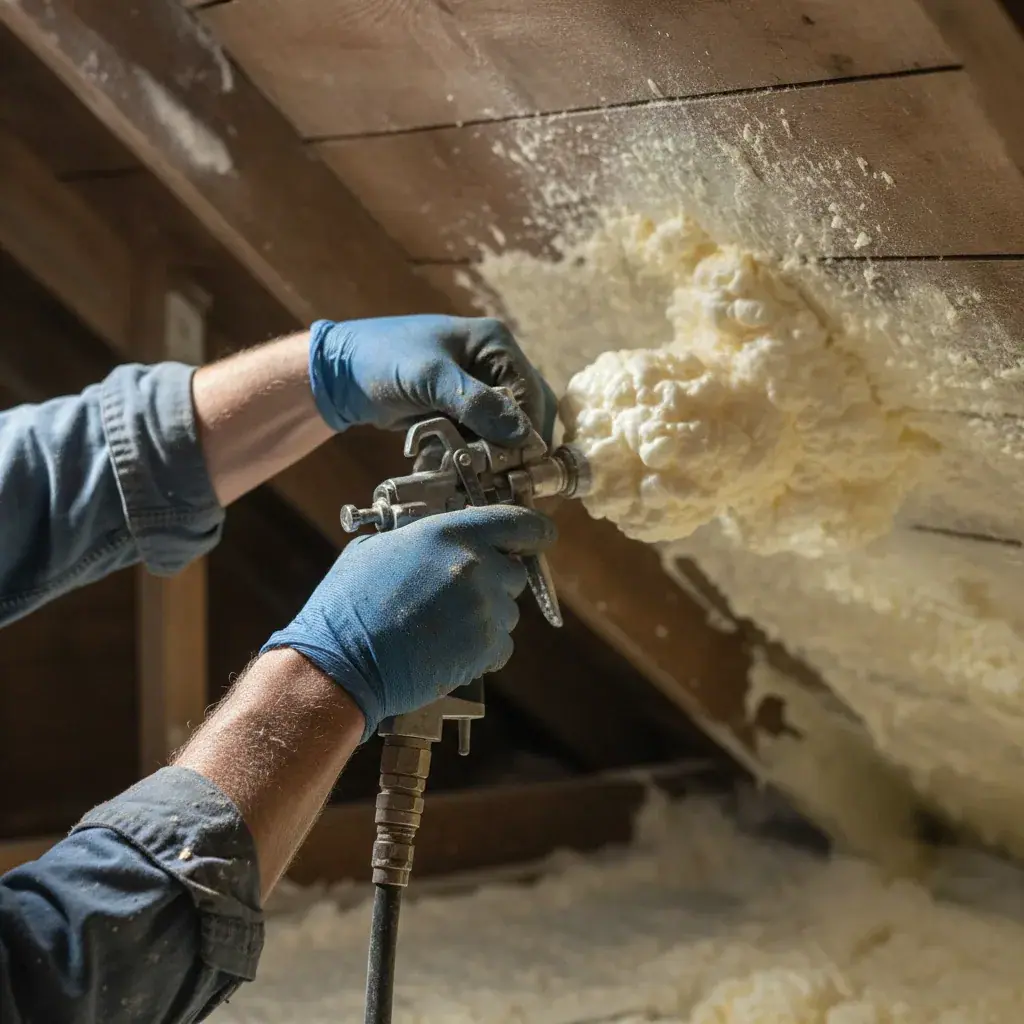
Fiberglass insulation has been a staple of American construction since Owens Corning commercialized the material in the late 1930s. Made by melting glass and spinning it into ultra-thin fibers, fiberglass insulation works by capturing millions of tiny air pockets within its structure. These air pockets impede the movement of heat, making the material highly effective at both retaining conditioned air in winter and blocking heat gain in summer.
Fiberglass insulation comes in two primary forms: batt insulation (pre-cut panels designed to fit standard wall and floor cavities) and blown-in loose-fill insulation (small fiber clumps that are pneumatically distributed into attic floors, wall cavities, and irregular spaces). Both forms are measured by their R-value — a metric that quantifies thermal resistance. The higher the R-value, the greater the insulating power.
Read moreShow less
In San Diego County, the California Energy Commission’s Title 24 Building Energy Efficiency Standards specify minimum R-values based on climate zone. San Diego spans Climate Zones 7 and 10, which require attic insulation with a minimum R-38 value for most residential applications. Many older homes across neighborhoods like National City, Spring Valley, and Lemon Grove were constructed before these standards were adopted and may currently fall far below code-compliant levels.
Beyond energy performance, fiberglass insulation offers notable advantages: it is non-combustible, does not absorb moisture as readily as cellulose alternatives, resists mold growth when properly installed, and typically carries a long service life of 80 to 100 years under stable conditions. For San Diego homeowners dealing with aging insulation or no insulation at all in crawl spaces and attics, upgrading to modern fiberglass solutions can produce immediate, measurable reductions in monthly utility costs.
Fiberglass is also one of the most widely used insulation types in Southern California’s residential market due to its availability, affordability, and compatibility with the wood-frame construction common throughout San Diego’s sprawling suburban neighborhoods. Learn more about our blow-in insulation services to understand how loose-fill fiberglass compares to other blown material options.
Why Fiberglass Insulation Is Needed in San Diego, CA
San Diego’s Unique Climate Zones and Temperature Swings
San Diego spans multiple distinct microclimates within just a few miles. Coastal communities like Coronado and Imperial Beach experience average summer highs around 70–72°F with persistent morning marine layer and relative humidity levels often exceeding 85% in June and July — a phenomenon locals call “June Gloom.” Meanwhile, inland communities like Spring Valley, Bonita, and La Mesa can record summer highs of 95–105°F during Santa Ana wind events, with humidity dropping below 10%. This dramatic coastal-to-inland temperature variance of up to 30°F in a single day means insulation must perform across a wide thermal range.
Santa Ana Wind Events and Thermal Stress
Santa Ana wind conditions, which typically occur between October and March, drive hot, dry air from the inland desert into San Diego County at speeds reaching 40–80 mph. These events — including the December 2017 Lilac Fire conditions and the January 2025 wind events that affected communities from Chula Vista to the northern county — rapidly change outdoor temperatures and pressure dynamics, forcing HVAC systems to work harder. Homes with degraded or absent fiberglass insulation lose conditioned air rapidly during these pressure shifts, spiking energy bills by as much as 20–30% in a single billing cycle.
Aging Housing Stock in South San Diego
Much of San Diego’s south bay — including neighborhoods in National City, San Ysidro, Nestor, and Egger Highlands — features housing stock built between the 1940s and 1970s. These properties were constructed with minimal insulation standards or none at all in attic and crawl space areas. In many cases, original insulation has compressed, moisture-damaged, or been contaminated by rodent activity over decades, reducing its effective R-value to near zero. Title 24 compliance upgrades in these areas are not only beneficial for comfort but may also be required during permitted renovation projects.
Otay Mesa and New Development Zones
Conversely, newer construction zones like Otay Mesa West and Chula Vista’s eastern master-planned communities sometimes feature insulation installed during tract construction that prioritizes speed over thoroughness. Gaps around electrical boxes, recessed lighting, and HVAC penetrations are common in these builds, creating thermal bypass pathways that significantly undermine rated R-values. A home rated at R-38 in the attic can perform closer to R-20 effectively when installation gaps are left unsealed.
Crawl Space Moisture in Low-Lying Areas
Communities like Bonita and La Presa sit in lower topographic positions near Sweetwater River drainage areas, where soil moisture and seasonal groundwater elevation can compromise fiberglass insulation in crawl spaces. When fiberglass becomes saturated, it loses up to 40% of its thermal resistance and can become a substrate for mold development. Explore our crawl space insulation solutions designed specifically for San Diego’s varied terrain and moisture conditions.
Free, no-obligation estimates
Talk to Clean Air Attic Insulation
Tell us what you need and we’ll take it from there.
Signs You Need Fiberglass Insulation in San Diego
Energy Performance Indicators
- Monthly SDG&E electricity bills consistently 20% or more above neighborhood averages, especially during October–March Santa Ana season
- HVAC system running continuously without reaching the set thermostat temperature
- Uneven temperatures between rooms — notably hot upper floors or cold ground-floor rooms
Visible and Physical Symptoms
- Attic insulation that appears flat, gray, or compressed below 10 inches in depth (indicating R-value well below R-30)
- Visible gaps, missing batts, or insulation pushed aside around attic access hatches or HVAC ductwork
- Damp, matted, or discolored insulation in crawl spaces beneath homes in Bonita, La Presa, or Spring Valley
- Evidence of rodent tunneling or nesting within existing insulation material
Comfort and Air Quality Indicators
- Drafts near exterior walls during Santa Ana wind events
- Persistent dust accumulation on interior surfaces, which may indicate air infiltration through under-insulated envelope penetrations
- Musty or stale odors in rooms adjacent to crawl spaces or attics
Urgency Note: If your home was built before 1980 and has never had an insulation assessment, scheduling an inspection before the fall Santa Ana season begins is strongly advisable to avoid peak-season discomfort and energy spikes.
Fiberglass Insulation Methods and Approaches
Blown-In Loose-Fill Fiberglass
Best suited for open attic floors and existing wall cavities accessible via small bore holes, blown-in fiberglass provides excellent coverage over irregular surfaces and around obstructions. This method is the preferred approach for older San Diego homes in National City, San Ysidro, and La Mesa where open-framing access is limited. Target depth for R-38 using blown-in fiberglass is approximately 13.5 inches.
Fiberglass Batt Insulation
Pre-cut fiberglass batts are ideal for new construction framing, exposed attic rafters, and floor joist cavities in crawl spaces. Batts are available in standard depths for R-13, R-19, R-21, R-30, and R-38 ratings. This method is commonly used in Chula Vista and Otay Mesa new builds and renovation projects where framing cavities are fully accessible.
High-Density Fiberglass Batts
High-density batts deliver greater R-value per inch than standard batts, making them suitable for shallow wall cavities in older San Diego construction where 2×4 framing (3.5-inch cavity depth) limits standard batt performance. These are particularly effective in 1950s-era homes throughout Spring Valley and Lemon Grove.
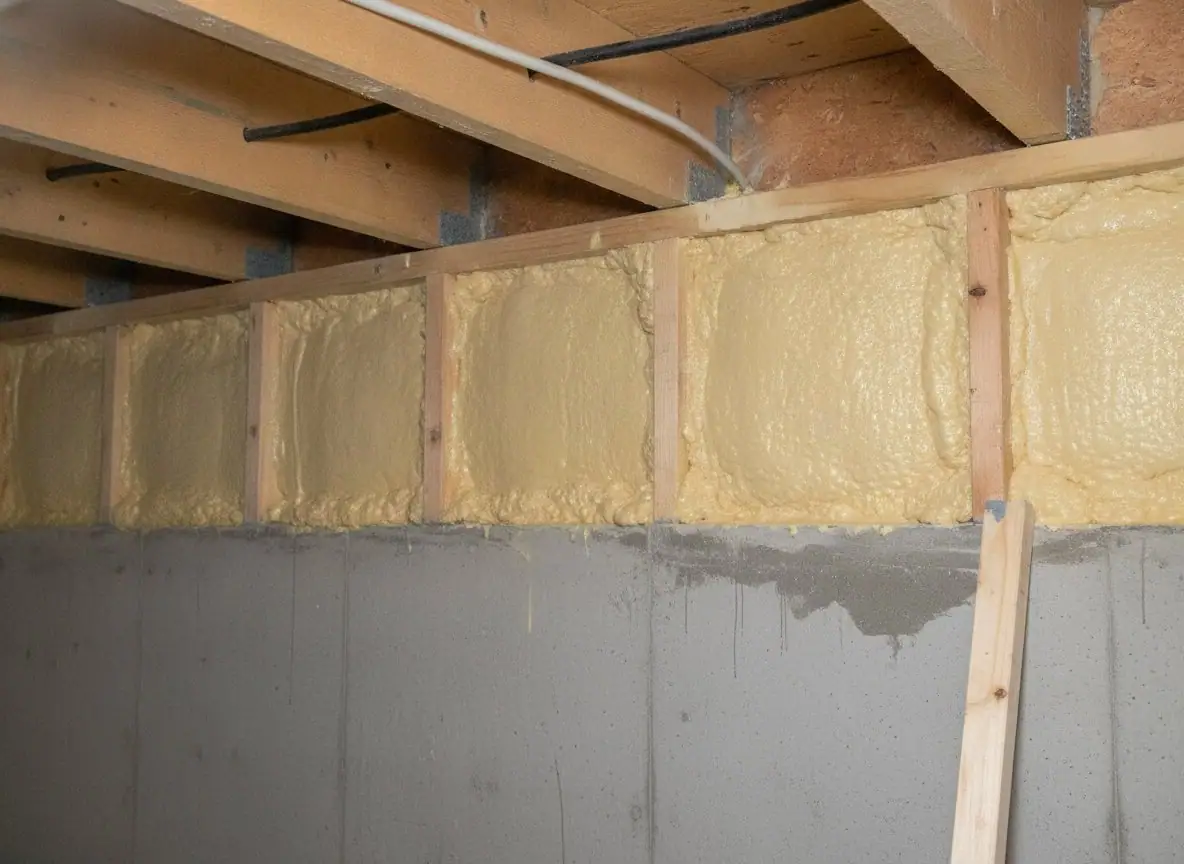
Encapsulated Fiberglass Batts for Crawl Spaces
For crawl space floor joist applications in moisture-prone areas like Bonita and La Presa, encapsulated fiberglass batts with a kraft or foil facing provide an added vapor management layer, reducing moisture-related performance degradation common in Southern California’s wetter winter months. See our full crawl space encapsulation service.
Fiberglass Insulation Cost in San Diego, CA
Understanding the cost of fiberglass insulation in San Diego helps homeowners plan and budget effectively. Pricing varies based on project scope, insulation type, access conditions, and whether existing material removal is required.
Typical Cost Ranges
- Blown-In Attic Insulation: $1.50 – $2.50 per square foot installed, depending on target R-value and existing conditions. A 1,500 sq. ft. attic floor typically costs $2,200 – $3,800 fully installed.
- Fiberglass Batt Installation (Walls or Floors): $1.20 – $2.00 per square foot for standard batt work in accessible framing cavities.
- Insulation Removal and Replacement: Add $1.00 – $1.50 per square foot for professional removal of old, contaminated material before new installation.
- Crawl Space Fiberglass Insulation: $2.00 – $4.00 per square foot depending on crawl space height and accessibility — lower clearances common in older San Ysidro and Nestor homes increase labor time and cost.
Read moreShow less
San Diego-Specific Pricing Factors
Labor costs in San Diego County reflect the region’s higher cost of living, typically running 10–15% above national averages. Material costs have also fluctuated since 2020 supply chain disruptions, though fiberglass has remained more price-stable than spray foam alternatives.
SDG&E’s Energy Savings Assistance Program and federal energy efficiency tax credits under the Inflation Reduction Act (up to 30% of project cost, capped at $1,200 annually for insulation) can meaningfully offset total project investment for qualifying San Diego homeowners. Call (858) 360-6973 for a no-obligation quote tailored to your property.
Fiberglass Insulation Services Across San Diego Neighborhoods
National City and San Ysidro (1940s–1960s Era Homes)
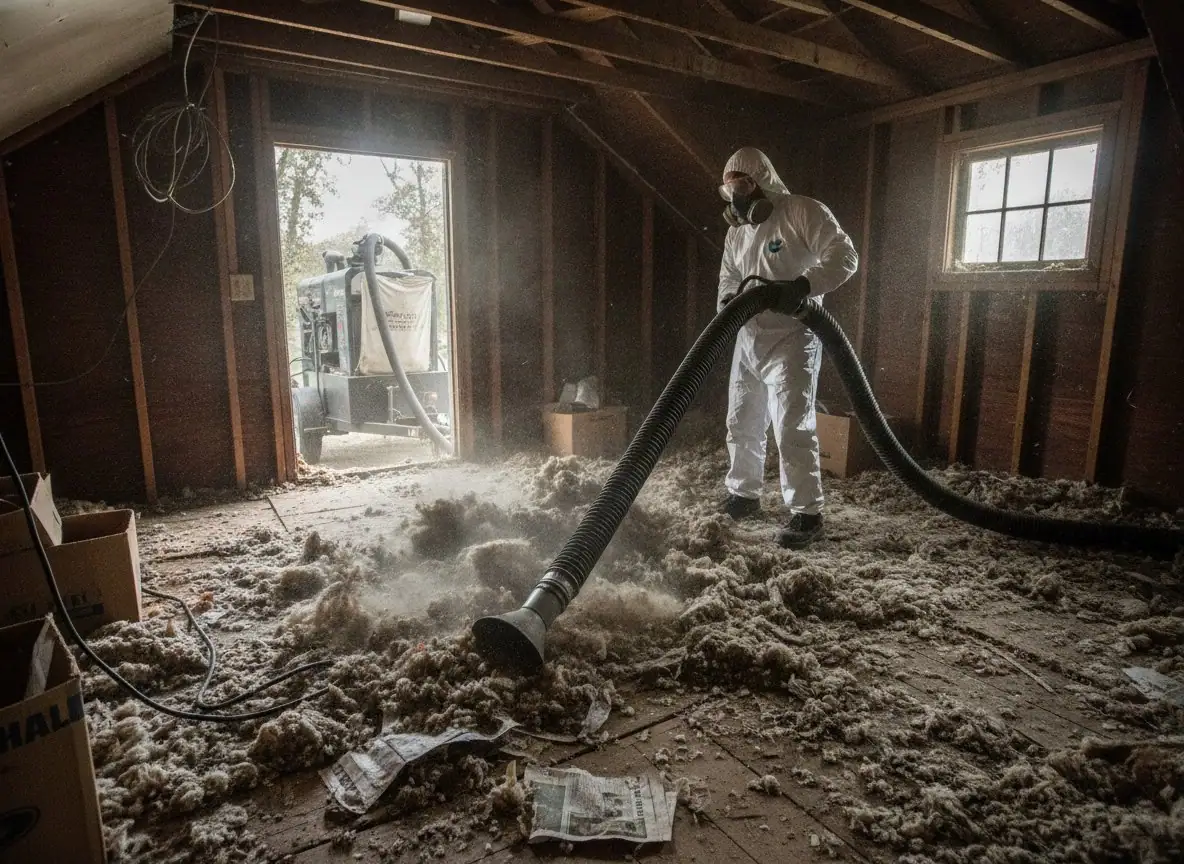
These south bay communities feature densely situated post-war residential construction, much of it built with minimal or no attic insulation. We frequently encounter compressed, rodent-damaged fiberglass in National City homes that has never been replaced, and uninsulated attic spaces in San Ysidro properties. Full removal and re-installation to R-38 is the standard scope in these areas.
La Mesa and Spring Valley (1960s–1980s Ranch Homes)
Mid-century ranch-style homes dominate these inland communities, which also experience the greatest summer heat loading in the greater San Diego area. Shallow 2×4 wall cavities and inadequate attic coverage are the primary challenges. High-density batts and blown-in attic upgrades deliver the highest ROI for these homeowners.
Chula Vista and Otay Mesa (1990s–2010s Tract Construction)
Newer tract developments in Chula Vista and Otay Mesa West often require air sealing remediation alongside insulation upgrades. We address the thermal bypass gaps common in fast-build construction before installing final insulation layers to ensure rated performance is actually achieved.
We also serve Coronado, Imperial Beach, Bonita, Lemon Grove, La Presa, Egger Highlands, Nestor, and Palm City. View our full San Diego service area coverage.
Fiberglass Insulation Maintenance Tips for San Diego Homeowners
- Annual Attic Visual Inspection: Each fall before Santa Ana season, check attic insulation depth and look for signs of compression, moisture staining, or pest activity.
- Monitor for Pest Entry Points: San Diego’s mild winters keep rodent populations active year-round. Seal any roof eave gaps or soffit penetrations to prevent rodents from burrowing into fiberglass batts.
- Check Attic Ventilation: Proper soffit-to-ridge airflow prevents moisture accumulation in attic insulation, particularly important during June–August marine layer season when humidity is elevated.
- Inspect Crawl Space After Winter Rain Events: San Diego’s seasonal rainfall — concentrated between November and March — can raise groundwater near homes in Bonita and La Presa. Check crawl space insulation for moisture after significant rain events (above 1 inch in 24 hours).
- Keep Insulation Clear of Recessed Lighting: Ensure IC-rated light fixture covers are intact over any recessed lighting in insulated ceilings to maintain proper air sealing.
- Avoid Compressing Stored Items Against Insulation: Attic storage items placed directly on blown-in insulation compress the material and reduce effective R-value.
- Schedule Professional Re-Assessment Every 10–15 Years: While fiberglass insulation has a long lifespan, professional re-assessment ensures continued code compliance, especially as Title 24 standards are updated.
Why Choose Clean Air Attic Insulation in San Diego
At Clean Air Attic Insulation, we are San Diego specialists — not a national franchise applying generic solutions to a uniquely complex regional climate. Our team understands the difference between insulating a 1955 ranch home in Lemon Grove and a 2005 tract build in Chula Vista, and we tailor every project accordingly.
We work exclusively within San Diego County, giving us deep familiarity with local building departments, California Title 24 Climate Zone requirements, and the specific microclimates that affect insulation performance across the county’s diverse neighborhoods. From the marine-influenced coastal strip to the hot inland valleys of Spring Valley and Bonita, we know what works — and what doesn’t — in each environment.
Read moreShow less
Our installations prioritize long-term performance over speed. We air-seal before we insulate, we verify depth before we close, and we provide documentation that supports SDG&E rebate applications and permit compliance. We offer comprehensive insulation installation services as well as spray foam insulation for applications where fiberglass alone may not be the optimal solution.
Ready to improve your home’s comfort and energy efficiency? Call (858) 360-6973 to speak with a San Diego insulation expert today.
FAQ
Frequently Asked Questions: Fiberglass Insulation in San Diego, CA
How much does fiberglass insulation cost in San Diego?
Fiberglass insulation in San Diego typically costs $1.50 – $2.50 per square foot for blown-in attic installation and $1.20 – $2.00 per square foot for batt installation in walls or floor joists. A full attic insulation project for a 1,500 sq. ft. home averages $2,200 – $3,800. Crawl space insulation runs $2.00 – $4.00 per square foot. Removal of old material adds $1.00 – $1.50 per square foot. San Diego labor rates run approximately 10–15% above national averages due to regional cost of living.
What R-value do I need for fiberglass insulation in San Diego?
Most of San Diego falls within California Energy Commission Climate Zones 7 and 10. For attic insulation, the minimum recommended R-value is R-38, which requires approximately 13–15 inches of blown-in fiberglass. Walls in existing construction are typically targeted at R-13 to R-21 depending on framing depth. Crawl space floors are generally insulated to R-19 or R-25.
How long does fiberglass insulation installation take in a typical San Diego home?
Most residential fiberglass insulation projects in San Diego are completed within one to two days. A standard attic blown-in installation for a 1,200–1,800 sq. ft. home takes 3–5 hours of active work. Projects requiring existing insulation removal, air sealing, and new installation may span two full days. We schedule around your availability and typically complete assessments within 24–48 hours of your call.
Does San Diego’s climate really require upgraded insulation?
Yes. Despite San Diego’s mild reputation, the region’s coastal-to-inland temperature variance, summer Santa Ana wind events with humidity drops below 10%, and June–August marine layer humidity all create conditions that stress under-insulated homes. Homes in inland communities like La Mesa and Spring Valley regularly experience summer highs above 95°F, where inadequate attic insulation results in measurably higher air conditioning costs and indoor discomfort.
Is fiberglass insulation safe for my family?
Modern fiberglass insulation products used by Clean Air Attic Insulation meet California’s stringent indoor air quality standards. Once installed and covered (or blown-in), fiberglass insulation does not off-gas harmful chemicals and poses no ongoing air quality risk. During installation, our technicians wear proper respiratory protection, and we recommend vacating the immediate work area during active installation as a precautionary measure.
Can I get rebates for fiberglass insulation in San Diego?
Yes. SDG&E offers rebates through its energy efficiency programs for qualifying insulation upgrades. Additionally, the federal Inflation Reduction Act provides a tax credit of up to 30% of insulation project costs, capped at $1,200 per year for insulation and air sealing work. We provide the documentation needed to support rebate and tax credit applications.
How do I know if my older San Diego home needs new fiberglass insulation?
If your home was built before 1980 — common in National City, San Ysidro, Lemon Grove, and La Mesa — it very likely lacks adequate insulation by current standards. Key signs include attic insulation below 10 inches in depth, visible gaps or missing batts, unusually high SDG&E bills, uneven room temperatures, and musty odors near crawl spaces. A professional inspection by our team will give you a clear picture at no cost.
Do you serve areas outside the city of San Diego?
Absolutely. We serve communities throughout San Diego County including Chula Vista, Coronado, Imperial Beach, National City, Bonita, La Mesa, Lemon Grove, Spring Valley, La Presa, Otay Mesa, Otay Mesa West, Nestor, Egger Highlands, San Ysidro, and Palm City. See our complete list of service areas.
Get Your Free Fiberglass Insulation Assessment in San Diego Today
Don’t let San Diego’s deceptively mild climate fool you — under-insulated homes in La Mesa, Chula Vista, National City, and across the county cost their owners hundreds of dollars in unnecessary energy expenses every year. Clean Air Attic Insulation is ready to help you achieve a more comfortable, energy-efficient home with professional fiberglass insulation services designed specifically for San Diego’s climate and building stock.
Call us now at (858) 360-6973 to schedule your free, no-obligation on-site assessment. Our team serves all of San Diego County, including Chula Vista, Bonita, Spring Valley, Coronado, Imperial Beach, and beyond. Let’s build a better-insulated home — together.
Contact Clean Air Attic Insulation to get started
Get in touch
Find insulation help near you
Request a free estimate online or give us a call — our team will follow up quickly.
- Call us(858) 360-6973
- Visit10140 Marconi Dr, San Diego, CA 92154
- HoursMon-Sun 07:00-19:00