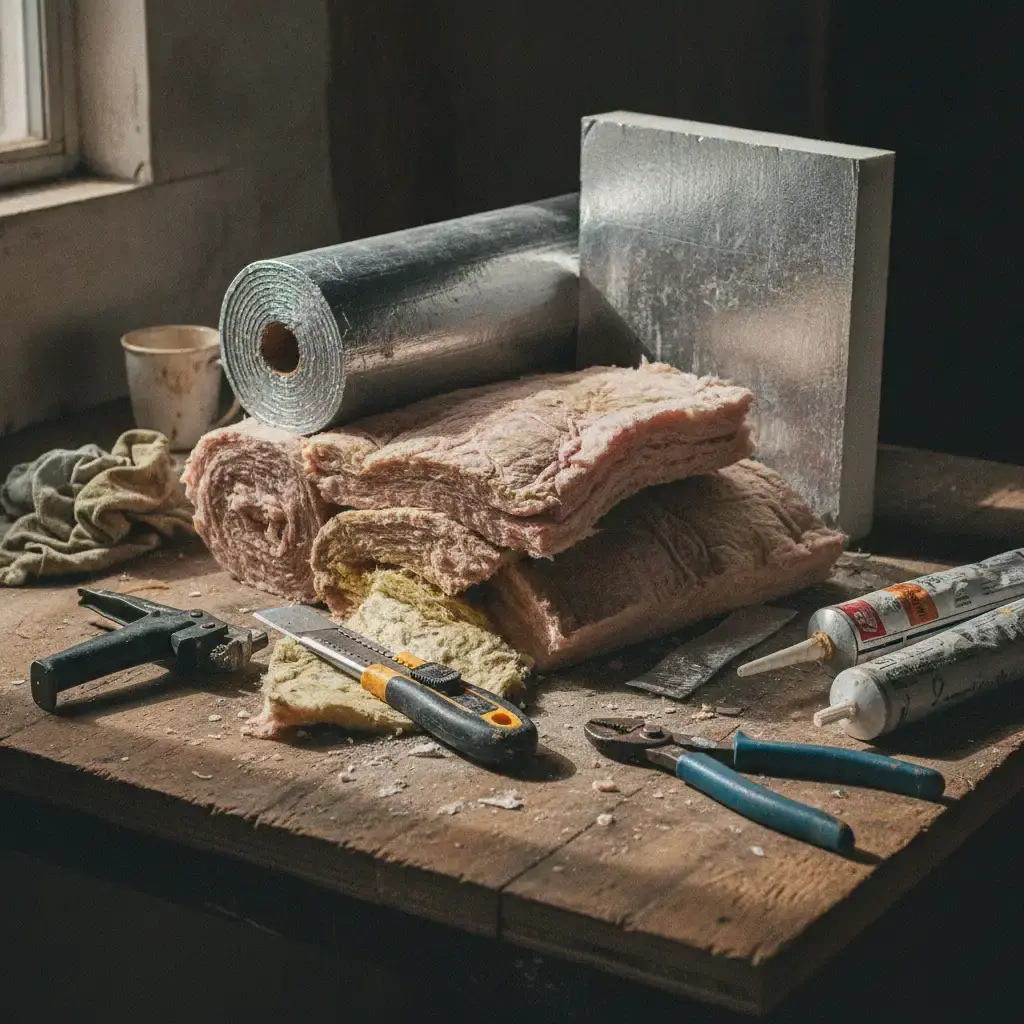
Understanding the true cost of blown-in insulation in San Diego, CA is the first step toward making a smart investment in your home’s energy efficiency and comfort. Blown-in insulation — also called loose-fill insulation — involves blowing small particles of cellulose, fiberglass, or mineral wool into attic cavities, wall spaces, and other hard-to-reach areas to create a seamless thermal barrier.
San Diego’s unique Mediterranean climate, aging housing stock, and variable microclimates from coastal Coronado to inland Spring Valley all influence how much insulation your home needs and what it will cost to install it properly. Unlike colder regions where insulation is solely about heat retention, San Diego homeowners must balance both heat gain in summer months and cooler coastal evenings in winter.
Read moreShow less
At Clean Air Attic Insulation, we specialize in providing accurate, transparent blown-in insulation pricing tailored to San Diego’s specific conditions. Call us today at (858) 360-6973 to get a detailed estimate for your property.
Understanding Blown-In Insulation in San Diego
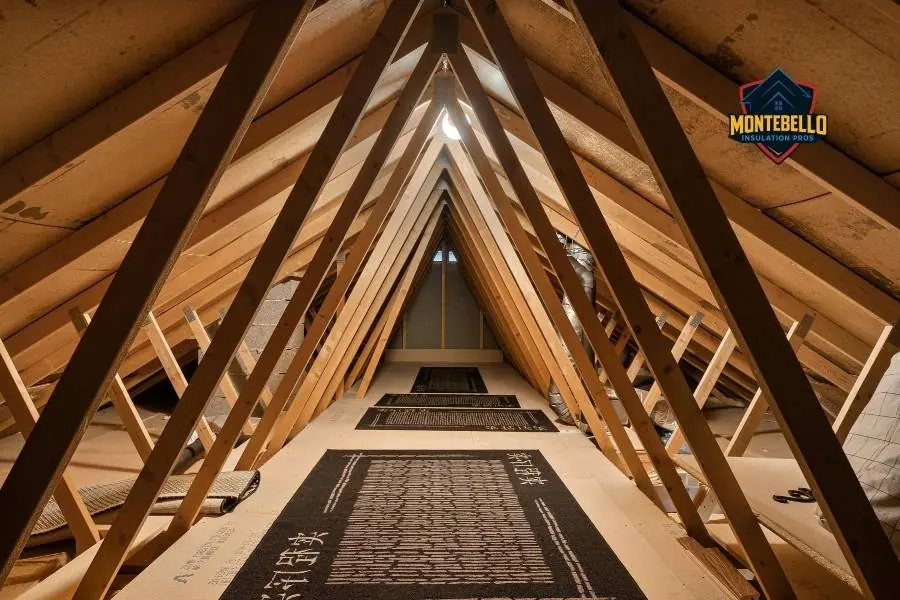
Blown-in insulation has been used in American homes since the mid-20th century, originally developed to address the limitations of batt insulation in irregularly shaped cavities and older construction. The process uses a specialized blowing machine to propel loose insulation material through a hose, filling gaps, crevices, and voids that traditional roll or batt insulation simply cannot reach effectively.
There are three primary materials used in blown-in insulation systems:
- Cellulose: Made from recycled paper products and treated with fire retardants, cellulose is one of the most popular choices for San Diego homeowners due to its eco-friendly composition and excellent air-sealing properties. It settles slightly over time but remains highly effective when installed at proper density.
- Fiberglass: Composed of tiny glass fibers, blown-in fiberglass resists moisture better than cellulose, making it well-suited to homes in coastal San Diego neighborhoods like Imperial Beach and Coronado where salt air humidity is a real consideration.
- Mineral Wool (Rockwool): Made from volcanic rock or industrial slag, mineral wool offers superior fire resistance and excellent acoustic properties — a growing priority in dense urban neighborhoods across San Diego.
Read moreShow less
San Diego’s building stock is remarkably diverse. The region includes mid-century ranch homes built in the 1950s and 1960s throughout La Mesa and Lemon Grove, Spanish Colonial and Craftsman homes from the 1920s and 1930s in older neighborhoods, and modern construction across Otay Mesa and Chula Vista. Each building type presents different insulation challenges. Older homes often have little to no existing insulation in their attics, while mid-century homes may have degraded or compressed batt insulation that has lost its effectiveness. Blown-in insulation is particularly well-suited to retrofitting these older structures because it can be added over existing material or blown into enclosed wall cavities through small drilled holes with minimal disruption.
In San Diego County, approximately 40% of the housing stock was built before 1980, meaning a significant portion of local homes are operating with substandard or no insulation by today’s energy code standards (Title 24, California’s building energy efficiency standards). Upgrading to blown-in insulation is one of the most cost-effective improvements available to these homeowners. Learn more about our attic insulation services
Why Blown-In Insulation Is Needed in San Diego, CA
San Diego’s Microclimates Drive Insulation Demand
San Diego County is home to one of the most complex microclimate systems in the continental United States. The difference between coastal and inland temperatures can exceed 20°F on a summer afternoon. In neighborhoods like Coronado and Imperial Beach, ocean breezes keep temperatures moderate but introduce persistent coastal humidity that degrades poorly air-sealed insulation over time. Meanwhile, inland communities like Spring Valley, Bonita, and La Presa regularly see summer highs above 95°F and can experience the region’s notorious Santa Ana wind events, which drive temperatures even higher while dramatically reducing humidity.
During the October 2007 Southern California firestorms — which burned over 500,000 acres across San Diego County — thousands of homes were rebuilt under updated California Title 24 energy codes. Many homeowners in areas like Rancho Bernardo who rebuilt post-fire discovered that properly insulated homes with blown-in cellulose or fiberglass maintained indoor temperatures far better during subsequent heat events than neighboring older homes.
California Title 24 Compliance and Rising Energy Costs
California’s Title 24 energy code currently recommends attic insulation levels of R-38 to R-60 for San Diego’s climate zone (Zone 7 for coastal areas, Zone 10 for inland communities). Many existing San Diego homes fall significantly short of these benchmarks. A home with no attic insulation or degraded R-11 batts from the 1970s may lose 25–35% of its conditioned air through attic heat transfer alone, adding hundreds of dollars annually to energy bills.
San Diego Gas & Electric (SDG&E) rates have increased substantially over the past decade, with residential electricity rates now among the highest in the nation — averaging between $0.35 and $0.50 per kilowatt-hour depending on usage tier. This pricing environment makes the energy savings from blown-in insulation upgrades exceptionally impactful for San Diego homeowners.
Soil and Construction Factors
San Diego’s coastal and inland soil compositions — ranging from clay-heavy soils in the South Bay to sandy loam near the coast — affect crawl space moisture conditions beneath homes. In neighborhoods like National City and Chula Vista, older homes with poorly insulated or unencapsulated crawl spaces experience moisture migration that can compromise insulation performance and indoor air quality simultaneously. Blown-in insulation, when paired with proper air sealing and crawl space encapsulation, creates a comprehensive thermal and moisture management system.
Wildfire Smoke and Air Quality
San Diego’s recurring wildfire seasons — with major events recorded in 2003, 2007, 2014, and 2021 — have made indoor air quality a top concern for residents. Homes with inadequate insulation and poor air sealing allow wildfire smoke particulates to infiltrate living spaces. Properly installed blown-in insulation, combined with air sealing, significantly reduces air infiltration during smoke events.
Free, no-obligation estimates
Talk to Clean Air Attic Insulation
Tell us what you need and we’ll take it from there.
Signs You Need Blown-In Insulation in San Diego
Energy and Comfort Indicators
- Monthly SDG&E electric bills consistently exceeding $200–$300 during summer months despite moderate air conditioning use
- Upstairs or attic-adjacent rooms that are 5°F or more warmer than the rest of the house during afternoon hours
- HVAC system running continuously during San Diego summer days without adequately cooling the home
- Noticeable drafts near electrical outlets, recessed lighting, or attic access hatches
Visual and Physical Signs
- Visible attic floor joists with little to no insulation material covering them
- Old, flattened, or deteriorating batt insulation with a compressed thickness of less than 6 inches
- Insulation material that appears gray, dusty, or contaminated with pest droppings
- Dark staining on existing insulation indicating air movement and filtration through the material
Urgency Indicators
- Evidence of rodent or pest activity within the insulation — common in San Diego’s older neighborhoods — which requires insulation removal before replacement
- Musty or damp odors emanating from attic spaces after San Diego’s rainy season (November through March)
- Ice dams are rare in San Diego but moisture condensation on roof sheathing during cooler months signals inadequate insulation and ventilation
Our process
Our Blown-In Insulation Installation Process in San Diego
Our installation process is specifically designed to address San Diego’s unique construction types, climate conditions, and California Title 24 compliance requirements.
- 01
Free In-Home Assessment (60–90 Minutes)
Our technician performs a comprehensive inspection of your attic, crawl space, and wall cavities. We use thermal imaging tools when available to identify specific heat loss areas and measure existing insulation depth and R-value. We document current conditions
- 02
Air Sealing and Preparation (2–4 Hours)
Before any insulation is installed, our crew seals all air bypasses including around recessed lights, plumbing penetrations, top plates, and attic hatches using fire-rated caulk and foam. This step is especially critical in San Diego homes built before 1990, w
- 03
Protection and Setup (30–60 Minutes)
We protect your attic access area, flooring, and any stored belongings. Ventilation baffles are installed or verified at every eave to ensure proper soffit-to-ridge airflow — critical in San Diego’s warm climate to prevent attic overheating during summer month
- 04
Blown-In Insulation Installation (2–5 Hours)
Using truck-mounted or portable blowing equipment, we install insulation to achieve your target R-value — typically R-38 for coastal Zone 7 or R-49 to R-60 for inland Zone 10 areas. Depth gauges are placed throughout the attic to ensure uniform coverage. Our c
- 05
Quality Inspection and Documentation (30–45 Minutes)
Post-installation, we conduct a thorough depth and coverage inspection. We provide documentation of installed R-value, material type, and coverage area — documentation required for California utility rebate applications through SDG&E’s energy efficiency pr
- 06
Cleanup and Final Walkthrough (30 Minutes)
We restore your home to its pre-installation condition and walk you through the completed work, explaining expected energy savings and maintenance considerations specific to San Diego’s climate.
Blown-In Insulation Methods We Use in San Diego
Open-Blow Attic Installation
The most common method for San Diego homes, open-blow involves blowing loose-fill material directly over the attic floor. This approach is ideal for homes with accessible attic spaces and is the fastest way to bring a home to Title 24 compliance. We use this method for the majority of La Mesa, Lemon Grove, and Chula Vista ranch-style homes. Learn more about our attic insulation services
Dense-Pack Wall Insulation
For older San Diego homes — particularly Craftsman bungalows and Spanish Colonial homes in historic neighborhoods — we drill small holes in exterior or interior wall surfaces and use a specialized nozzle to dense-pack insulation at 3.5 lbs per cubic foot. This method completely fills cavities and eliminates air movement within walls. Holes are patched and finished after installation.
Stabilized or Spray-Applied Blown-In
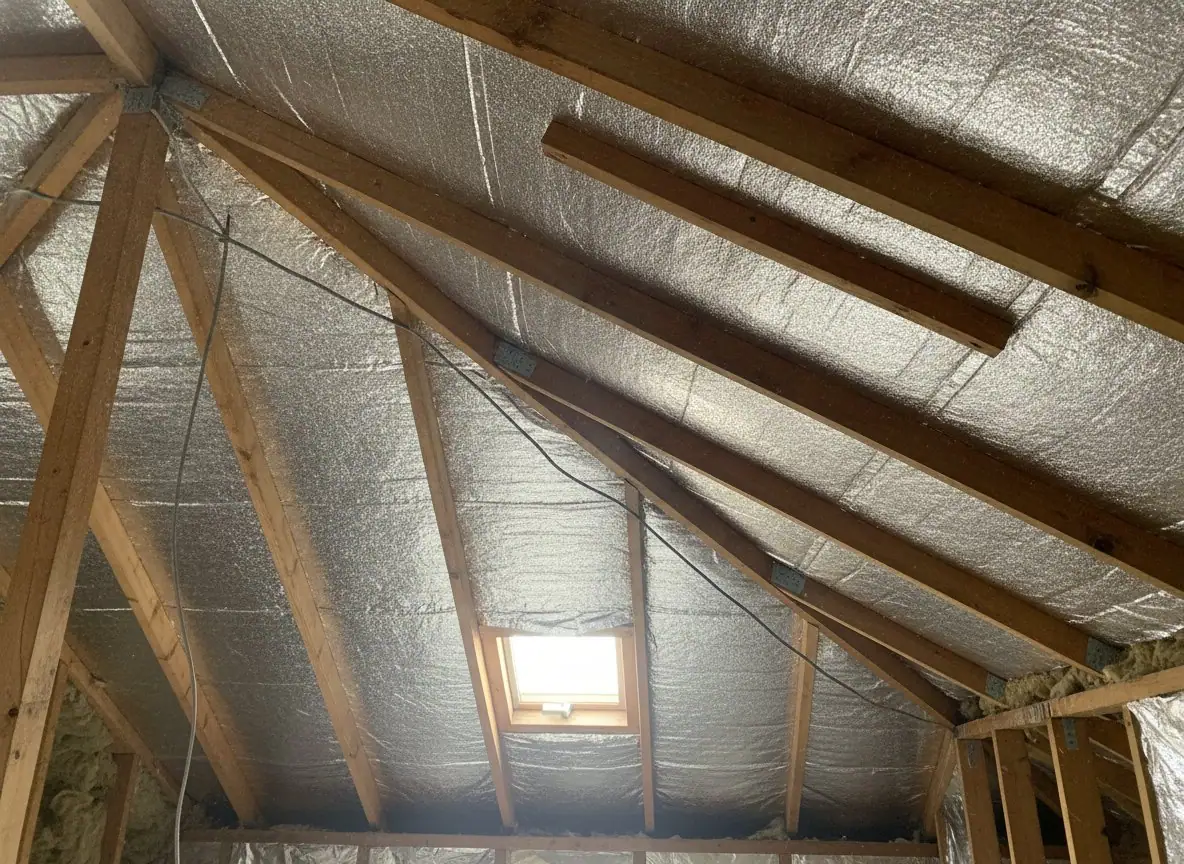
For cathedral ceilings or hard-to-reach sloped roof areas, we use adhesive-stabilized blown-in material that adheres to surfaces without a retaining net. This method is particularly valuable in San Diego’s many homes with vaulted living room ceilings or converted garages.
Blown-In Over Existing Insulation
Many San Diego homes have some existing insulation that has settled or degraded but doesn’t require full removal. In these cases, we can blow new material directly over existing batts to achieve target depth, provided the existing material is free of moisture damage and pest contamination. Explore our insulation replacement options
Crawl Space Blown-In Insulation
For homes with vented crawl spaces in areas like National City and Spring Valley, blown-in insulation can be installed between floor joists to insulate the floor above. This is often combined with crawl space insulation and moisture barrier installation for comprehensive performance.
Blown-In Insulation Cost in San Diego, CA
Blown-in insulation costs in San Diego vary based on several factors, but homeowners can use the following ranges as a reliable starting point for budgeting purposes.
Typical Cost Ranges
- Attic Blown-In Insulation: $1.50 – $3.50 per square foot installed, or $1,500 – $4,500 for a typical 1,500 sq. ft. attic
- Dense-Pack Wall Insulation: $2.00 – $5.00 per square foot, depending on access method and material
- Crawl Space Floor Insulation: $1.75 – $3.25 per square foot
- Minimum Project Cost: Most San Diego projects have a minimum service fee of $800 – $1,200
Key Cost Factors in San Diego
- Current insulation depth: Homes starting from zero insulation require more material than top-up projects
- Target R-value: Coastal Zone 7 homes (Coronado, Imperial Beach) typically require R-38, while inland Zone 10 homes (Spring Valley, Bonita) need R-49 to R-60
- Attic accessibility: Low-clearance attics common in 1950s ranch homes in La Mesa add labor time
- Pre-existing conditions: Pest damage, moisture issues, or required insulation removal add $500 – $2,000+ to project costs
- Material choice: Mineral wool runs 15–25% more than cellulose or fiberglass
Read moreShow less
San Diego Rebates and Incentives
SDG&E offers rebates of $0.10 – $0.25 per square foot for qualifying insulation upgrades through their Energy Savings Assistance and California Home Energy Retrofit programs. Federal tax credits under the Inflation Reduction Act allow homeowners to claim up to 30% of insulation project costs (maximum $1,200 per year) through 2032. Call us at (858) 360-6973 for help identifying applicable incentives for your project.
Blown-In Insulation Services Across San Diego Neighborhoods
Chula Vista and Bonita
This inland South Bay area includes housing built across multiple decades, from 1960s tract homes near Third Avenue to newer master-planned communities in eastern Chula Vista. Older Chula Vista homes frequently need complete attic insulation upgrades to meet California Zone 10 R-49 requirements, while newer homes may simply need air sealing improvements. Blown-in insulation services in Chula Vista
National City and La Mesa
These communities contain some of San Diego County’s oldest residential housing stock, with many homes dating to the 1920s–1950s. Wall cavity insulation is a common need here, as many original structures were built with no wall insulation whatsoever. Dense-pack blown-in installation is a specialty service we frequently perform in these neighborhoods.
Imperial Beach and Coronado
Coastal homes face unique challenges from salt air humidity and marine layer moisture. Fiberglass blown-in insulation is often preferred in these areas for its moisture resistance. Many Coronado homes are historic and require careful, minimally invasive installation approaches.
Spring Valley and La Presa
These inland communities experience some of the county’s most extreme summer temperatures, regularly exceeding 95°F. Maximizing attic R-value to R-60 is strongly recommended here. Many homes in this area have partially installed or severely degraded original insulation requiring assessment before new material is added. Insulation services in Spring Valley
Blown-In Insulation Maintenance Tips for San Diego Homeowners
- Annual attic inspection: Check insulation depth once a year, ideally before summer heat season (April–May). San Diego’s attic temperatures can exceed 140°F in summer, which accelerates material degradation in poorly maintained installations.
- Monitor after rainy season: San Diego’s rainy season (November–March) can introduce moisture into attics through damaged roof flashing or inadequate ventilation. Inspect for dark staining or clumping after heavy rain events.
- Seal any new penetrations: Any new electrical work, plumbing, or HVAC modifications that penetrate the attic floor should be resealed immediately to preserve air barrier integrity.
- Pest prevention: San Diego’s warm climate supports year-round rodent activity. Keep attic vents screened and inspect annually for signs of pest entry, which can rapidly destroy blown-in insulation.
- Avoid attic storage compression: Boxes or equipment placed on blown-in insulation compress the material and reduce R-value. Use attic platforms or walkboards if storage is necessary.
- Clear soffit vents seasonally: Debris accumulation in soffit vents reduces attic airflow and increases thermal stress on insulation — especially relevant during San Diego’s Santa Ana wind seasons in fall.
- Check attic hatch insulation: Attic hatches are a major thermal bypass point. Ensure the hatch cover is insulated and weatherstripped annually.
Why Choose Clean Air Attic Insulation in San Diego
Clean Air Attic Insulation is a dedicated San Diego insulation contractor with deep expertise in the specific challenges facing local homeowners — from coastal humidity management in Imperial Beach and Coronado to extreme heat mitigation in Spring Valley and La Presa. We are not a generalist contractor who occasionally installs insulation; insulation is our specialty.
Our team understands California Title 24 energy codes and how they apply to San Diego’s different climate zones. We help homeowners navigate SDG&E rebate programs and federal tax credit applications, maximizing the financial return on every project.
We offer transparent, itemized estimates with no hidden fees — a commitment we take seriously in a market where insulation pricing can be inconsistent. Every project includes a post-installation depth verification to confirm that installed R-values meet or exceed target specifications.
Read moreShow less
Our full range of services — including spray foam insulation, insulation removal, and crawl space encapsulation — means we can address your home’s complete thermal envelope, not just one component. Call us at (858) 360-6973 to experience the Clean Air Attic Insulation difference.
FAQ
Frequently Asked Questions About Blown-In Insulation Cost in San Diego
How much does blown-in insulation cost for a typical San Diego home?
For a standard 1,500 square foot attic in San Diego, blown-in insulation typically costs between $1,500 and $4,500 depending on starting conditions, target R-value, and material chosen. Inland homes requiring higher R-values (R-49 to R-60 for climate Zone 10) will be toward the higher end of this range. We provide free, detailed estimates so you know exactly what to expect before any work begins.
What R-value do I need for my San Diego home?
California Title 24 recommends R-38 for coastal San Diego communities (Zone 7) including Coronado, Imperial Beach, and coastal National City. Inland communities including Spring Valley, Bonita, La Mesa, and Chula Vista fall in Zone 10 and are recommended at R-49 to R-60. We assess your specific location and existing insulation to recommend the optimal target for your home.
How long does blown-in insulation installation take?
Most standard San Diego attic projects are completed in a single day — typically 4 to 8 hours from arrival to cleanup. Larger homes, homes requiring pre-installation air sealing, or projects involving insulation removal may require two days. Dense-pack wall insulation projects vary based on the number of wall cavities being treated.
Is blown-in insulation worth it in San Diego’s mild climate?
Absolutely. Despite San Diego’s reputation for mild weather, SDG&E electricity rates are among the highest in the nation ($0.35–$0.50/kWh), meaning even modest energy savings translate to meaningful bill reductions. Homeowners typically see 15–25% reductions in cooling and heating costs after upgrading to proper blown-in insulation levels. Combined with available utility rebates and federal tax credits, most projects achieve payback periods of 3–7 years.
Do I need to remove my old insulation before installing blown-in?
Not always. If existing insulation is structurally sound, dry, and free of pest contamination, new blown-in material can be installed directly over it to achieve target depth. However, if pest activity, moisture damage, or material degradation is present — which is common in San Diego homes over 30 years old — professional insulation removal is recommended before new installation. We assess this during our free inspection.
Can blown-in insulation help with wildfire smoke infiltration?
Yes, significantly. During San Diego’s wildfire events — which have affected communities from Otay Mesa to Spring Valley — homes with properly air-sealed blown-in insulation experience dramatically lower rates of smoke particulate infiltration compared to poorly insulated, leaky homes. Air sealing performed as part of blown-in insulation installation addresses the primary pathways through which outdoor air (and smoke) enters the home.
Does blown-in insulation settle over time?
Cellulose blown-in insulation does settle modestly — typically 15–20% over the first 1–2 years. To account for this, professional installers including our team install cellulose at a higher initial depth to ensure the settled depth still meets or exceeds the target R-value. Fiberglass blown-in settles minimally and is often preferred when long-term depth maintenance is a priority.
Are there rebates available for blown-in insulation in San Diego?
Yes. SDG&E offers rebates ranging from $0.10 to $0.25 per square foot for qualifying insulation upgrades. Additionally, the federal Inflation Reduction Act provides a tax credit of 30% of project cost (up to $1,200 annually) for insulation improvements through 2032. Low-income households may qualify for SDG&E’s Energy Savings Assistance Program, which can provide insulation at no cost. We help all clients identify applicable incentives during the estimate process.
Get Your Free Blown-In Insulation Estimate in San Diego Today
Don’t let inadequate insulation drive up your SDG&E bills through another San Diego summer. Whether your home is in coastal Coronado, inland Spring Valley, or anywhere across the South Bay and greater San Diego area, Clean Air Attic Insulation is ready to assess your home and provide a transparent, detailed estimate at no charge.
Our team specializes in blown-in insulation solutions designed specifically for San Diego’s climate, construction types, and Title 24 requirements. We handle everything from initial assessment through installation and rebate documentation.
Call us now at (858) 360-6973 to schedule your free in-home assessment. You can also request an estimate online through our website. Serving San Diego, Chula Vista, National City, La Mesa, Spring Valley, Imperial Beach, Coronado, Bonita, Lemon Grove, and all surrounding South Bay communities.
Schedule Your Free Insulation Assessment Today
Get in touch
Find insulation help near you
Request a free estimate online or give us a call — our team will follow up quickly.
- Call us(858) 360-6973
- Visit10140 Marconi Dr, San Diego, CA 92154
- HoursMon-Sun 07:00-19:00