Cellulose Insulation in San Diego, CA
Energy-Saving Cellulose Insulation for San Diego, CA Homes — Licensed & Insured
Get expert cellulose insulation in San Diego, CA. Clean Air Attic installs blow-in cellulose to R-38/R-49. Free estimates. Call (858) 360-6973 today.
Cellulose insulation is a plant-based, recycled-fiber insulation material installed in attics, walls, and crawl spaces to regulate indoor temperatures, reduce energy costs, and improve acoustic comfort. Made from up to 85% post-consumer recycled paper treated with fire-retardant borate compounds, cellulose is one of the most environmentally responsible insulation choices available today.
In San Diego, CA, where coastal marine layers keep mornings cool while inland valleys bake in afternoon heat, selecting the right insulation material is not a one-size-fits-all decision. San Diego’s unique Mediterranean climate — characterized by mild, wet winters and warm, dry summers — creates distinct thermal demands that cellulose insulation is exceptionally well suited to address.
Read moreShow less
At Clean Air Attic Insulation, our technicians understand the microclimates that separate Coronado’s oceanfront bungalows from the stucco tract homes of Chula Vista or the canyon-rim properties in Bonita. We deliver precise, code-compliant cellulose insulation solutions tailored to San Diego’s buildings, climate zones, and local energy standards. Call us today at (858) 360-6973 to schedule your free assessment.
Understanding Cellulose Insulation
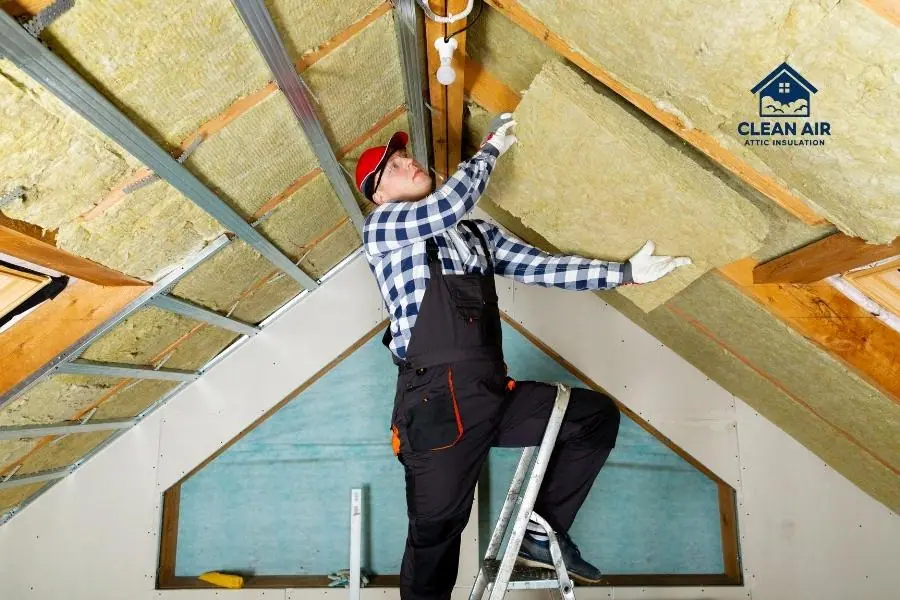
Cellulose insulation has been in widespread use across North America since the 1970s, gaining significant traction after the 1973 oil embargo spurred homeowners to seek affordable energy-conservation materials. Unlike fiberglass batts — which were dominant throughout mid-century American construction — cellulose is produced by shredding and chemically treating recycled newsprint, cardboard, and paper products, then treating them with non-toxic borate compounds that resist fire, mold, and pest intrusion.
The thermal resistance of cellulose, expressed as an R-value, typically reaches R-3.2 to R-3.8 per inch when dry-blown, making it competitive with fiberglass at similar installed depths. More importantly, cellulose’s dense-pack application method allows it to conform around electrical conduits, ceiling joists, and plumbing runs — filling irregular cavities that batts routinely leave exposed.
Read moreShow less
In San Diego’s residential stock, cellulose insulation is especially relevant in several building categories:
- Pre-1980 wood-frame homes: Older neighborhoods like North Park, Golden Hill, and parts of National City contain craftsman bungalows and post-war ranch homes built before California’s Title 24 energy codes took effect. These homes often have little or no attic insulation.
- Mid-century concrete-block construction: Common in Chula Vista and Lemon Grove, masonry walls benefit from interior cellulose retrofits that add thermal mass buffering without requiring exterior cladding replacement.
- Modern tract homes in developing areas: Communities in Otay Mesa and Otay Mesa West built during the 1990s and 2000s housing booms frequently have inadequate attic insulation depths that fall short of current California Energy Code requirements of R-38 or higher in San Diego’s climate zone.
Because cellulose is made from recycled material and manufactured locally throughout Southern California, its embodied carbon footprint is considerably lower than petroleum-based spray foam alternatives. For San Diego homeowners prioritizing both energy efficiency and environmental responsibility, cellulose insulation represents a historically proven and locally relevant choice. Learn more about our attic insulation services
Signs You Need Cellulose Insulation in San Diego
Energy and Comfort Symptoms
- Monthly SDG&E electricity bills exceeding $200–$300 for a home under 2,000 square feet during July–September
- Noticeable temperature differences between upstairs and downstairs rooms greater than 5°F
- HVAC system running continuously during afternoon peak hours without reaching thermostat setpoint
- Rooms directly below the attic feel significantly warmer than the rest of the home
Physical and Visual Indicators
- Attic insulation depth measuring less than 10–12 inches (indicating R-value below R-38)
- Visible gaps, compressed batts, or bare areas of attic decking between joist bays
- Discolored or stained insulation suggesting past moisture intrusion from plumbing or roof leaks
- Old gray or pink fiberglass batts installed more than 20–25 years ago that have lost loft
Urgency Indicators
- Presence of vermiculite or deteriorating asbestos-containing insulation (common in pre-1980 San Diego homes) — requires professional removal before new cellulose installation
- Evidence of rodent activity, nesting material, or pest contamination within existing insulation
- Upcoming home sale requiring energy compliance documentation for San Diego’s local ordinance requirements
Explore our insulation replacement services
Free, no-obligation estimates
Talk to Clean Air Attic Insulation
Tell us what you need and we’ll take it from there.
Our process
Our Cellulose Insulation Installation Process in San Diego
Clean Air Attic Insulation follows a structured, multi-step installation process designed to address San Diego’s specific climate conditions, building code requirements, and local architectural variety.
- 01
Free In-Home Assessment (1–2 Hours)
Our technician visits your property to measure existing insulation depth, assess attic ventilation ratios, identify air-sealing deficiencies, and document any moisture damage. We use a thermal imaging camera to detect hidden cold spots in ceiling assemblies —
- 02
Existing Insulation Evaluation and Removal (If Required)
If existing insulation is contaminated, pest-damaged, or contains hazardous materials, we perform complete removal using HEPA-filtered vacuum extraction equipment before installing new cellulose. This step is particularly common in older National City and Lemo
- 03
Air Sealing and Bypass Correction (2–4 Hours)
Before any insulation is blown in, our team seals attic bypasses — including top plates, recessed light cans, plumbing chases, and HVAC penetrations — using two-part spray foam and fire-rated caulk. Air sealing is disproportionately impactful in San Diego’s ol
- 04
Ventilation Verification (30–60 Minutes)
We verify that soffit-to-ridge ventilation pathways meet California Building Code ratios of 1:150 net free area before installing cellulose. Proper ventilation prevents moisture accumulation in coastal San Diego attics and protects the long-term performance of
- 05
Cellulose Blow-In Installation (2–4 Hours)
Using commercial-grade pneumatic blowing equipment, we install cellulose to the target depth calculated to achieve R-38, R-49, or project-specific requirements. Depth gauges are placed throughout the attic at 50-square-foot intervals to ensure consistent cover
- 06
Quality Inspection and Documentation (30–60 Minutes)
A final walkthrough confirms coverage consistency and installed depth. We provide a written completion certificate documenting R-value achieved, total material weight installed, and compliance with California Title 24 — a document often required for SDG&E
- 07
SDG&E Rebate Assistance
We help eligible San Diego homeowners submit documentation for SDG&E’s Energy Upgrade California rebate programs, which may offset $200–$600 of project costs depending on the scope of work.
Cellulose Insulation Methods and Approaches
Dry Blow-In (Loose-Fill) Cellulose
The most common method used in San Diego attic applications. Dry cellulose is pneumatically blown to a target depth across open attic floors. This method achieves R-3.2 to R-3.8 per inch and is ideal for homes in Chula Vista, Bonita, and La Mesa where attic access is adequate and existing joists are in good condition. Installation is fast, minimally disruptive, and cost-effective for large areas.
Dense-Pack Cellulose
Used for wall cavities, enclosed rafter bays, and cathedral ceiling assemblies. Cellulose is blown under higher pressure (3–4 lbs per cubic foot) to fill enclosed spaces completely, eliminating air pockets that degrade thermal performance. This method is particularly valuable in the older craftsman bungalows of National City and the mid-century stucco homes of Spring Valley, where wall cavities were often left uninsulated during original construction.
Stabilized (Spray-Applied) Cellulose
A small amount of water is added to the cellulose during application, causing it to adhere to surfaces before drying. This method is used in open-rafter or sloped ceiling assemblies common in post-and-beam construction found in Coronado and parts of La Presa. Stabilized cellulose eliminates settling concerns in vertical or angled applications.
Combined Cellulose and Spray Foam Systems
For maximum performance in high-demand San Diego inland properties — particularly in Otay Mesa and Egger Highlands — we sometimes recommend a flash-and-batt approach: a thin layer of closed-cell spray foam applied to the roof deck for vapor control, followed by dense-pack cellulose to achieve target R-values. Learn more about our spray foam insulation services
Cellulose Insulation Cost in San Diego, CA
Understanding the investment required for cellulose insulation in San Diego helps homeowners budget accurately and evaluate competing proposals. Costs vary based on home size, existing insulation conditions, attic access difficulty, and target R-value.
Typical Cost Ranges for San Diego Homeowners
- Attic blow-in (loose-fill cellulose to R-38): $1,200–$2,400 for a 1,500–2,000 sq ft home
- Attic blow-in (to R-49 for enhanced performance): $1,800–$3,200 for the same size range
- Dense-pack wall insulation (retrofit): $2,500–$5,500 depending on linear footage and access method
- Combined removal and replacement: $2,800–$5,000+ including old insulation extraction
- Stabilized spray-applied cellulose in cathedral ceilings: $3,500–$7,000 depending on rafter bay access
Read moreShow less
Factors That Influence Cost in San Diego
- Attic access and clearance: Many older Chula Vista and National City homes have low-pitch roofs with 24–30 inches of clearance, requiring hand-laying in some areas and increasing labor time
- Existing insulation removal: Adds $800–$2,000 depending on contamination level
- Air sealing scope: Homes with many recessed light fixtures or complex HVAC penetrations require more air-sealing labor
- SDG&E rebates: Qualifying projects may receive $200–$600 in utility rebates, effectively reducing out-of-pocket cost
Call (858) 360-6973 for a precise, no-obligation estimate based on your San Diego property’s specific conditions. Learn more about our blow-in insulation services
Cellulose Insulation Service Areas in San Diego
Chula Vista and Otay Mesa
These rapidly growing communities contain large volumes of 1990s–2000s-era stucco tract homes that were built to minimum insulation standards now considered insufficient. Many Chula Vista homes have only R-19 in the attic — less than half of California’s current R-38 requirement. Our cellulose blow-in service efficiently brings these homes into compliance.
National City and Lemon Grove
Older neighborhoods with pre-1970s construction, including masonry block and wood-frame homes with little or no existing insulation. Dense-pack cellulose in wall cavities is frequently recommended here alongside attic upgrades. These communities also have a higher prevalence of pier-and-beam foundations requiring crawl space insulation.
Coronado and Imperial Beach
Coastal properties face elevated humidity and salt-air exposure. We use borate-treated cellulose formulations and ensure proper attic ventilation to prevent moisture accumulation in these oceanfront communities.
Bonita and Spring Valley
Inland valley communities with significant summer heat gain, frequent Santa Ana wind exposure, and a mix of ranch-style and newer construction. R-49 attic insulation levels are often recommended here for maximum HVAC efficiency.
Cellulose Insulation Maintenance Tips for San Diego Homeowners
- Inspect attic insulation depth annually: Check installed depth each fall before Santa Ana wind season begins. Look for areas where cellulose has shifted or compressed below 10 inches.
- Clear soffit vents each spring: San Diego’s coastal eucalyptus and pine trees shed debris year-round. Blocked soffit vents trap moisture and reduce insulation performance.
- Address roof leaks immediately: Even minor roof leaks from San Diego’s winter rainstorms (typically November–March) can wet and compress cellulose, permanently reducing R-value.
- Check attic after major Santa Ana events: High-velocity wind infiltration can displace loose-fill cellulose near attic vents and eave areas.
- Seal new electrical penetrations: Any time an electrician or HVAC technician works in your attic, have new penetrations air-sealed promptly.
- Monitor for pest activity: Rats and roof rats are common in San Diego’s canyon-adjacent neighborhoods. Evidence of nesting in insulation should be addressed immediately.
- Review SDG&E energy usage data: A sudden increase in summer electricity consumption may signal insulation settling or damage requiring a professional inspection.
Why Choose Clean Air Attic Insulation in San Diego
Clean Air Attic Insulation is a locally focused insulation contractor dedicated exclusively to serving San Diego County homeowners and businesses. Our technicians are trained specifically on the thermal and moisture challenges posed by San Diego’s diverse microclimates — from the marine-influenced communities of Coronado and Imperial Beach to the inland heat corridors of Bonita and Spring Valley.
We bring detailed knowledge of California’s Title 24 Energy Code requirements applicable to San Diego’s climate zones, ensuring every cellulose installation we complete is compliant and documented for rebate applications with SDG&E.
Our service portfolio covers every insulation need a San Diego property may present: attic insulation, blow-in insulation, spray foam insulation, insulation removal, crawl space encapsulation, and crawl space insulation. We are a single-source solution, eliminating the coordination challenges of hiring multiple subcontractors.
Read moreShow less
When you call Clean Air Attic Insulation at (858) 360-6973, you speak directly with a San Diego insulation professional — not a national call center — who can answer specific questions about your neighborhood, your home’s construction era, and the best insulation solution for your situation.

FAQ
Frequently Asked Questions About Cellulose Insulation in San Diego
How much does cellulose insulation cost in San Diego?
For a typical 1,500–2,000 square foot San Diego home, attic cellulose blow-in insulation to R-38 costs between $1,200 and $2,400. Larger homes, lower-clearance attics common in Chula Vista and National City, or projects requiring old insulation removal will fall toward the higher end of that range. SDG&E rebates of $200–$600 may apply to qualifying projects.
How long does cellulose insulation installation take?
Most San Diego attic cellulose projects are completed in a single day. A standard 1,500 square foot attic with accessible conditions takes 4–6 hours including air sealing. Larger projects or those requiring prior insulation removal may require two days.
Is cellulose insulation safe for San Diego homes with children and pets?
Yes. The borate compounds used to treat cellulose insulation are low-toxicity minerals that are safe for occupants once the insulation is settled and the attic is closed. Borate treatment also provides resistance to mold growth — particularly valuable in San Diego’s coastal neighborhoods where attic humidity can be elevated during winter.
Does cellulose insulation work well in San Diego’s coastal humidity?
Cellulose performs well in San Diego’s coastal climate when proper attic ventilation is maintained and any moisture sources (roof leaks, condensation on HVAC ducts) are addressed. Borate-treated cellulose resists mold at humidity levels typical of San Diego winters. We always inspect and optimize attic ventilation before installing cellulose in coastal communities like Coronado and Imperial Beach.
What R-value do I need for my San Diego home?
California Title 24 requires a minimum of R-38 for attic insulation in San Diego’s climate zones. For inland communities like Bonita, Spring Valley, and Otay Mesa — where summer temperatures regularly exceed 95°F — we recommend R-49 for maximum energy savings. We calculate the optimal depth for your specific address and climate exposure during our free assessment.
Can cellulose insulation be installed over existing fiberglass in my San Diego attic?
In most cases, yes. If existing fiberglass is in good condition — not wet, contaminated, or pest-damaged — cellulose can be blown directly over it to achieve the target R-value. However, if the existing insulation is compressed, moldy, or pest-impacted (common in older National City and Lemon Grove homes), we recommend removal first to ensure long-term performance.
Will new cellulose insulation help reduce noise from San Diego’s air traffic and freeways?
Yes. Cellulose provides meaningful acoustic dampening in addition to thermal performance. Homes near San Diego International Airport, Interstate 5, or Interstate 805 — particularly in National City and Chula Vista — often notice a significant reduction in exterior noise after dense-pack cellulose installation in attics and exterior walls.
Does Clean Air Attic Insulation serve my neighborhood?
We serve all of San Diego County including San Ysidro, Palm City, Otay Mesa, Egger Highlands, Otay Mesa West, Nestor, Bonita, Chula Vista, Coronado, Imperial Beach, La Mesa, La Presa, Lemon Grove, National City, and Spring Valley. Call (858) 360-6973 to confirm service availability at your address.
Get a Free Cellulose Insulation Estimate in San Diego Today
If your San Diego home is uncomfortable, your SDG&E bills are climbing, or your attic insulation hasn’t been inspected in the last decade, now is the time to act. Clean Air Attic Insulation provides free, no-obligation cellulose insulation assessments throughout San Diego County — from Coronado and Imperial Beach to Bonita, Spring Valley, and Otay Mesa.
Our technicians will measure your current insulation depth, identify air-sealing opportunities, and provide a written estimate with R-value projections and SDG&E rebate guidance — at no cost to you.
Call us now at (858) 360-6973 or contact us online to schedule your free San Diego cellulose insulation assessment. Serving all of San Diego County with professional, code-compliant insulation solutions.
Get in touch
Find insulation help near you
Request a free estimate online or give us a call — our team will follow up quickly.
- Call us(858) 360-6973
- Visit10140 Marconi Dr, San Diego, CA 92154
- HoursMon-Sun 07:00-19:00