Insulation Installation Cost in San Diego, CA
Transparent Insulation Installation Cost Pricing for San Diego, CA Homeowners — Free Estimates
Get accurate insulation installation cost in San Diego, CA. Clean Air Attic offers attic, spray foam & crawl space insulation. Call (858) 360-6973 for a free estimate.
Understanding insulation installation cost in San Diego, CA is the first step toward making a smart investment in your home’s comfort and energy efficiency. Insulation installation involves placing thermal and acoustic barrier materials throughout a home’s attic, walls, crawl space, or floors to reduce heat transfer, lower energy bills, and improve indoor air quality. In San Diego, the combination of coastal marine layer humidity, inland heat zones that regularly exceed 90°F, and a diverse mix of building stock—from post-war bungalows in Normal Heights to modern condos in downtown—creates a uniquely complex insulation environment.
At Clean Air Attic Insulation, we serve homeowners and property managers across the greater San Diego area with professional insulation installation, removal, and replacement services tailored to local climate conditions, building types, and municipal energy codes. Call us today at (858) 360-6973 to schedule a free assessment and get an accurate quote for your property.
Understanding Insulation Installation Cost in San Diego
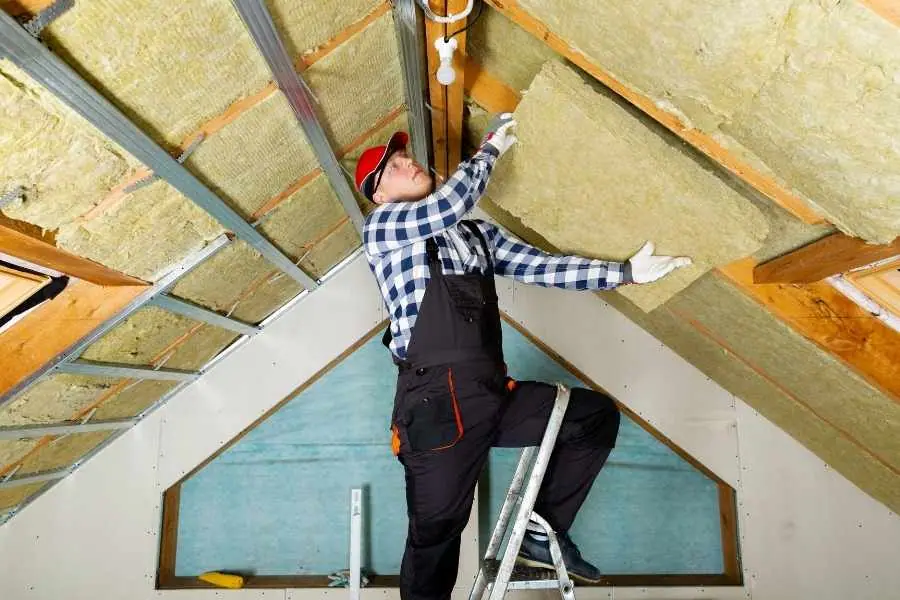
Insulation installation is the process of measuring, cutting, fitting, and securing thermal resistance materials within a building’s envelope to limit unwanted heat gain or loss. The concept has evolved significantly since the mid-20th century, when fiberglass batts first became a residential standard after World War II. Today, homeowners can choose from blown-in cellulose, spray foam, rigid foam board, mineral wool, and radiant barriers—each with distinct R-values, lifespans, and ideal applications.
In San Diego, the baseline energy code requirement is dictated by California’s Title 24 Building Energy Efficiency Standards. Title 24 mandates a minimum R-38 for attic insulation in Climate Zone 7, which covers most coastal San Diego neighborhoods, and R-30 or higher for certain inland zones. Many existing homes—particularly those built before the 1980s—fall far short of these benchmarks, with aged fiberglass batts compressed to an effective R-13 or less.
Read moreShow less
San Diego’s housing stock tells a layered story. The city’s rapid post-war expansion between 1945 and 1965 produced tens of thousands of stucco ranch homes in communities like Allied Gardens, Clairemont Mesa, and Linda Vista. These homes were built under far less stringent energy codes and often contain original insulation that is decades past its useful life. Mid-century construction also frequently relied on vermiculite, a material later found to contain asbestos traces in some batches, which adds a layer of complexity—and cost—to the removal and replacement process.
More recent construction in communities like Otay Ranch and Rancho Del Rey benefits from better baseline insulation but still faces degradation from San Diego’s cyclical Santa Ana wind events, which drive attic temperatures above 140°F and accelerate material breakdown. Understanding this historical and geographical context is essential to accurately estimating your insulation installation cost in San Diego and choosing the right material for your specific building type and location.
Learn more about our attic insulation services
Why Insulation Installation Is Needed in San Diego, CA
San Diego’s Climate Zone Variability
San Diego County spans California’s Climate Zones 7, 10, and 14. Coastal neighborhoods like Coronado and Imperial Beach sit in Zone 7, where the daily temperature swing between the marine layer morning (often 58–62°F) and afternoon highs (75–85°F) creates a constant vapor pressure differential. This cycling moisture environment degrades fiberglass batt facing and promotes mold colonization within attic cavities. Inland communities like Spring Valley, Bonita, and La Mesa fall into hotter zones where summer temperatures routinely reach 95–105°F, making radiant heat gain through under-insulated roofs a primary driver of HVAC overload.
Santa Ana Wind Events and Attic Heat Spikes
Every autumn, typically between October and December, Santa Ana wind events push hot, dry air from the interior desert into San Diego communities. During the October 2007 Witch Creek Fire—one of the most destructive wildfire events in California history—wind gusts in inland San Diego County exceeded 100 mph and pushed attic temperatures well above 150°F in affected neighborhoods. Even in non-fire years, Santa Ana events regularly drive attic temperatures 40–60°F above ambient, causing insulation compression and R-value loss that accumulates year over year.
Coastal Humidity and Crawl Space Moisture
Properties within two miles of the San Diego coastline—including neighborhoods in Nestor, Otay Mesa West, and National City—experience average relative humidity levels of 70–80% during the June Gloom season (May through July). This persistent moisture infiltrates unconditioned crawl spaces and attic decks, compressing blown-in cellulose and creating conditions that support mold and pest harborage. Homes in these zones without proper crawl space encapsulation or vapor barriers often see effective R-values drop by 30–40% within five to eight years of installation.
Aging Housing Stock and Outdated Materials
A significant portion of San Diego’s residential housing was built between 1945 and 1975 in communities such as Lemon Grove, La Presa, and Egger Highlands. These homes were constructed under energy codes that required R-11 or less in attic spaces—a fraction of today’s Title 24 mandates. Many of these properties still contain their original insulation, which has compressed, shifted, or become contaminated over decades. In some cases, particularly in pre-1980 Chula Vista and National City homes, vermiculite insulation containing trace asbestos has been identified, requiring licensed abatement before any new installation can proceed.
SDGE Energy Cost Pressures
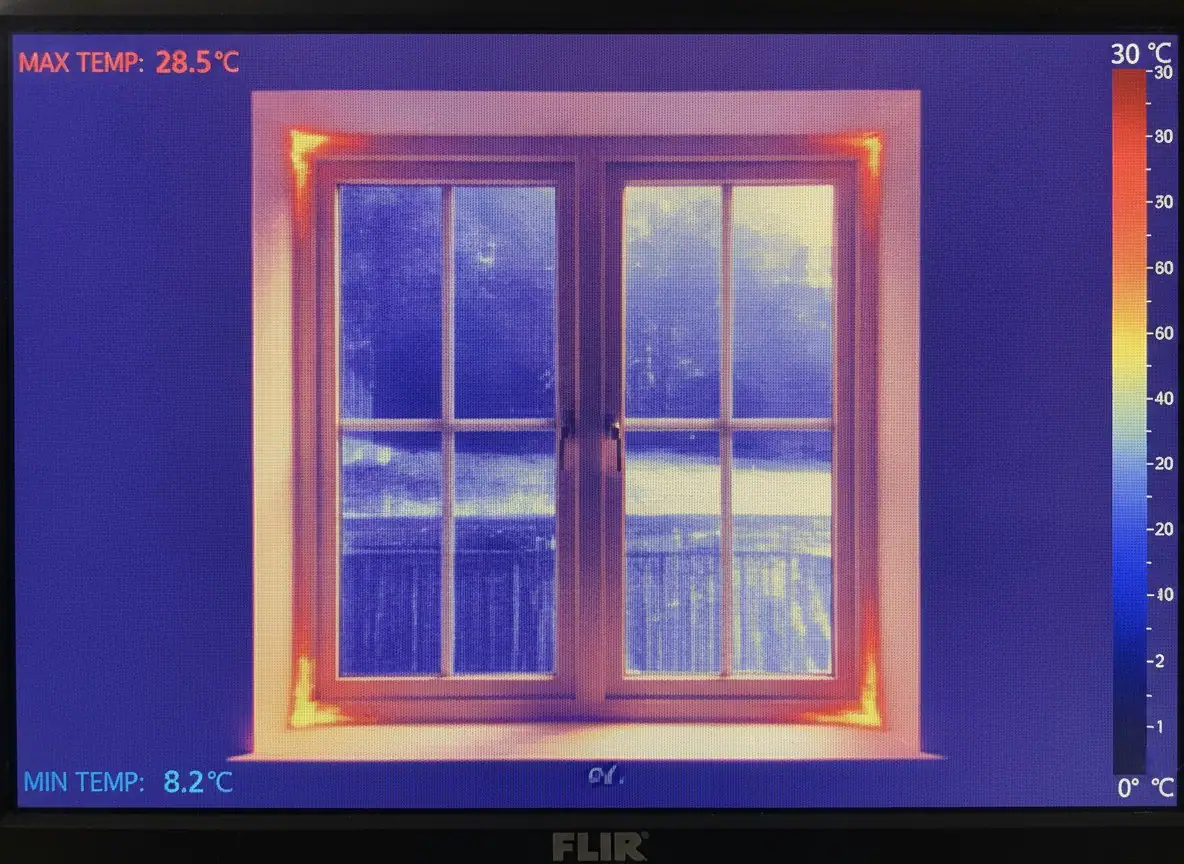
San Diego Gas & Electric (SDG&E) residential electricity rates are among the highest in the continental United States, averaging 35–45 cents per kilowatt-hour in 2023–2024 tiered billing cycles. Under-insulated homes in the San Diego region can lose 25–40% of their conditioned air through attic and crawl space gaps, translating to hundreds of dollars in avoidable monthly utility costs. Proper insulation installation directly reduces this burden.
Free, no-obligation estimates
Talk to Clean Air Attic Insulation
Tell us what you need and we’ll take it from there.
Signs You Need Insulation Installation in San Diego
Energy and Comfort Indicators
- Monthly SDG&E bills consistently 20% or more above neighborhood averages during summer or winter
- Rooms above the garage or attic that remain 8–12°F warmer than the rest of the home
- HVAC system running continuously without reaching the thermostat setpoint during Santa Ana events
- Cold floors in winter, particularly in homes with unconditioned crawl spaces in Spring Valley or Bonita
Visual and Physical Symptoms
- Visible gaps, voids, or compressed areas in attic insulation when observed with a flashlight
- Insulation depth measuring less than 10 inches in the attic (indicating below-code R-value)
- Water stains or discoloration on insulation batts or blown-in material
- Musty odors emanating from attic hatches or crawl space access points
- Visible rodent tunneling or droppings within insulation layers
Urgency Indicators
- Insulation that appears gray, matted, or discolored—signs of moisture damage or pest contamination
- Any gray, pebble-like material in attic spaces (potential vermiculite; do not disturb—contact a professional immediately)
- Recent roof repair or replacement that disturbed existing insulation coverage
Learn about our insulation removal and replacement services
Our process
Our Insulation Installation Process in San Diego
Clean Air Attic Insulation follows a structured, transparent process designed to meet San Diego’s Title 24 requirements and address the region’s unique climate challenges.
- 01
Free On-Site Assessment (1–2 Hours)
Our technician visits your property, inspects the attic, crawl space, and wall cavities, and measures existing insulation depth and condition. We use a calibrated moisture meter to detect hidden humidity damage common in coastal San Diego homes. We also check
- 02
Detailed Written Estimate (24–48 Hours)
Following the assessment, we provide a written, itemized estimate that includes material specifications, projected R-values, square footage, and total cost. We note any Title 24 compliance upgrades required for your Climate Zone—critical for Chula Vista or Ota
- 03
Old Insulation Removal (If Required) (Half Day to Full Day)
When existing insulation is damaged, contaminated, or below code, we use HEPA-filtered vacuum systems to safely remove and bag all material for proper disposal at licensed San Diego County waste facilities. This step is critical before any new installation to
- 04
Air Sealing and Prep Work (2–4 Hours)
Before new insulation is placed, our team seals all attic penetrations—electrical boxes, plumbing chases, HVAC boots—with fire-rated caulk and foam. This step can reduce air infiltration by up to 30%, a particularly important measure in older National City and
- 05
Material Installation (Half Day to Full Day)
Depending on the agreed method—blown-in cellulose, spray foam, or batt—our certified installers place material to the specified R-value and document depth with ruler markers photographed for your records. We adapt installation techniques to San Diego’s coastal
- 06
Quality Inspection and Depth Verification (1 Hour)
A lead technician performs a post-installation walkthrough, verifying uniform coverage and confirming compliance with Title 24 requirements. We provide you with a completion certificate noting achieved R-values.
- 07
Cleanup and Final Walkthrough (30–60 Minutes)
All work areas are swept, vacuumed, and restored. We walk you through what was done and answer any questions about maintenance, rebate programs (including available SDG&E energy efficiency incentives), and recommended inspection intervals.
Insulation Methods and Approaches We Use in San Diego
Blown-In Cellulose Insulation
Blown-in cellulose is made from recycled paper treated with borate for fire and pest resistance. It achieves R-values of 3.2–3.8 per inch and is ideal for retrofitting existing San Diego attics where joists limit batt placement. It excels in the irregular attic geometries common in older Chula Vista and Lemon Grove homes. Cost typically ranges from $1.50–$2.50 per square foot installed.
Spray Foam Insulation
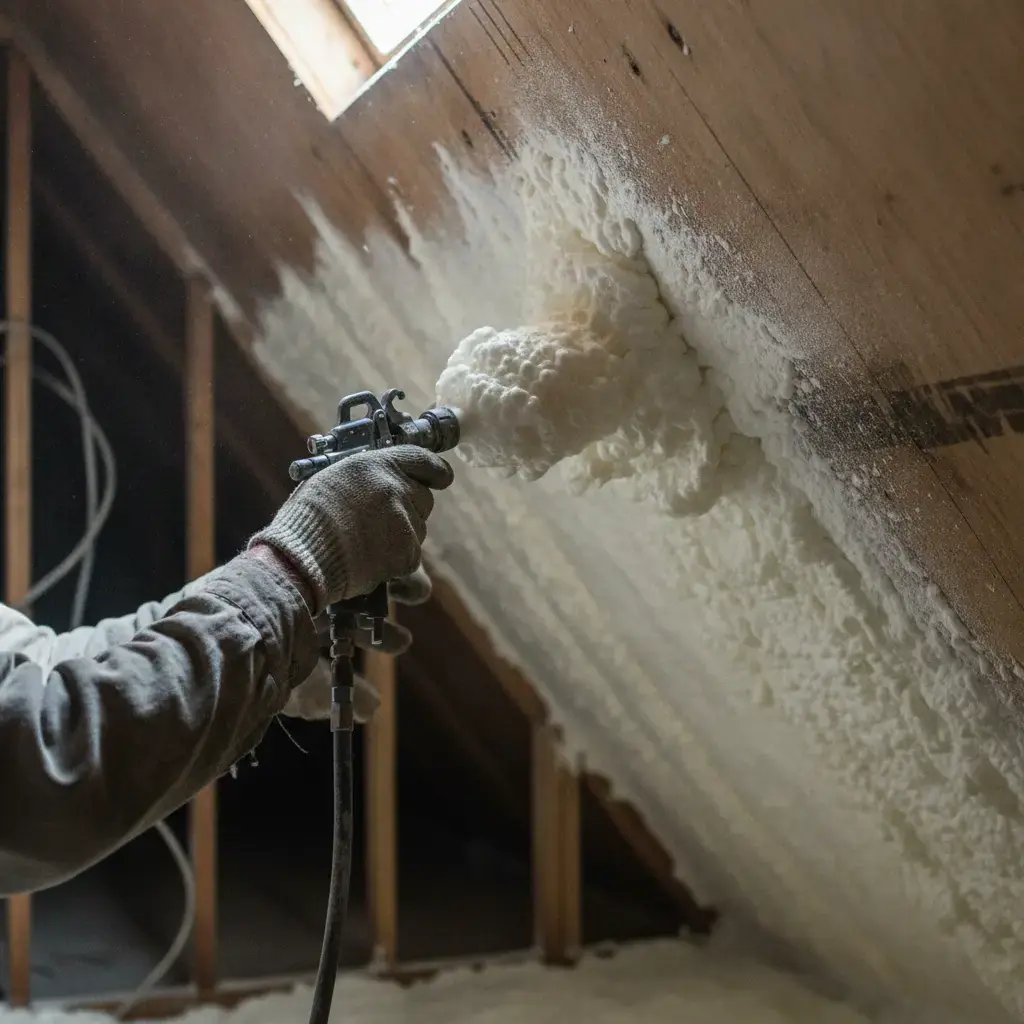
Open-cell and closed-cell spray foam provide R-values of 3.7 and 6.5 per inch respectively. Closed-cell spray foam is highly recommended for San Diego crawl spaces and coastal-adjacent homes in Coronado and Imperial Beach where vapor infiltration is a persistent problem. It creates both a thermal and moisture barrier in a single application. Cost ranges from $3.00–$7.00 per square foot depending on thickness and foam type.
Fiberglass Batt Insulation
Fiberglass batts are best suited for new construction or open-wall applications during renovation. Available in R-13 through R-38 configurations, they are cost-effective for wall cavity insulation in new Otay Mesa West developments. Installed cost ranges from $0.90–$1.80 per square foot.
Radiant Barrier Installation
A radiant barrier is a reflective foil system installed in attic rafters to reflect radiant heat before it reaches insulation. Particularly effective in San Diego’s inland zones where summer attic temperatures exceed 130°F, a radiant barrier can reduce attic heat gain by 25–40%. Often combined with blown-in insulation for maximum performance.
Crawl Space Encapsulation
Full crawl space encapsulation involves sealing the crawl space floor and walls with heavy-duty vapor barrier (20-mil minimum), insulating band joists, and conditioning the space to prevent moisture damage. Essential for older homes in National City, La Presa, and Nestor.
Explore our crawl space encapsulation services
Insulation Installation Cost in San Diego: What to Expect
Understanding insulation installation cost in San Diego requires factoring in square footage, material type, current insulation condition, accessibility, and local labor rates. Below are general price ranges based on common San Diego project types.
Typical Cost Ranges
- Blown-In Attic Insulation: $1,500–$4,000 for a standard 1,200–2,000 sq ft attic; includes labor and materials to achieve R-38
- Spray Foam Insulation (Crawl Space or Attic): $3,500–$9,000 depending on area size and foam type
- Fiberglass Batt Installation (Walls): $1,200–$3,500 for a typical single-story San Diego home
- Crawl Space Encapsulation: $4,000–$12,000 depending on square footage and moisture remediation needs
- Insulation Removal and Replacement: Add $1.00–$2.00 per square foot to any installation cost for removal of old material
Read moreShow less
San Diego-Specific Cost Factors
Several local factors can affect your total cost. Asbestos or vermiculite abatement—required in some pre-1980 San Diego homes—adds $1,500–$5,000 depending on scope and licensed contractor fees. Steep or vaulted rooflines common in Coronado and hillside La Mesa properties may increase labor time by 15–25%. SDG&E rebates for qualifying insulation upgrades can offset $200–$600 of project costs. Always request a written, itemized estimate before proceeding.
Get details on spray foam insulation pricing and options

Neighborhoods We Serve in San Diego
Chula Vista and Bonita
Chula Vista’s housing stock spans from 1950s ranch homes near Third Avenue to post-2000 master-planned communities near Eastlake. Older homes frequently require both removal of original fiberglass batts and full Title 24 compliance upgrades. Bonita’s hillside properties often have complex attic geometries that benefit from blown-in cellulose installation.
National City and Nestor
National City contains some of San Diego County’s oldest residential stock, with many homes dating to the 1920s–1940s. These properties commonly have uninsulated or poorly insulated crawl spaces and attics. Nestor, situated near San Diego Bay, experiences coastal humidity that accelerates batt degradation, making crawl space encapsulation particularly valuable.
Spring Valley and La Mesa
Spring Valley and La Mesa sit in inland Climate Zones where summer temperatures regularly exceed 95°F. Homeowners here benefit most from R-49 attic insulation upgrades and radiant barrier combinations. Many hillside homes in these communities have unique attic access challenges that require specialized equipment.
Coronado and Imperial Beach
Coastal communities on the Silver Strand face persistent salt-air humidity and moisture infiltration. Closed-cell spray foam is the preferred solution for both attic and crawl space applications in these communities, providing superior moisture resistance compared to fiberglass or cellulose alternatives.
Insulation Maintenance Tips for San Diego Homeowners
- Inspect attic insulation annually before the Santa Ana wind season (September–October) to check for compression or moisture damage from summer marine layer humidity.
- Check crawl space vapor barriers every spring after San Diego’s rainy season (November–March) for tears, pooling, or signs of rodent intrusion.
- Keep attic ventilation clear by ensuring soffit vents are not blocked by blown-in material—a common issue after DIY insulation additions.
- Seal attic penetrations whenever HVAC systems are serviced, as technician access frequently disturbs foam and caulk seals around duct boots.
- Monitor indoor humidity levels with an inexpensive hygrometer, particularly in coastal-adjacent homes; sustained levels above 60% indoors may indicate insulation or vapor barrier failure.
- Schedule a professional inspection every 5–7 years to verify R-values remain compliant with any updated Title 24 requirements applicable to your San Diego Climate Zone.
- Address roof repairs immediately—even minor water intrusion during San Diego’s winter storm events can saturate insulation and trigger mold growth within 48–72 hours.
Why Choose Clean Air Attic Insulation in San Diego
Clean Air Attic Insulation specializes exclusively in the San Diego market, giving our team an in-depth understanding of local climate zones, building stock, and California Title 24 compliance requirements that general contractors simply cannot match. We work across the full spectrum of San Diego properties—from 1940s Craftsman bungalows in Lemon Grove to contemporary townhomes in Otay Mesa West—and tailor every insulation solution to the specific thermal and moisture challenges of your neighborhood.
Our technicians are trained in the safe identification and handling of hazardous legacy materials, including asbestos-adjacent vermiculite found in some pre-1980 San Diego homes, ensuring your project is handled safely and legally from the first day. We use commercial-grade equipment and premium materials from trusted manufacturers to deliver consistent, verified R-values that hold up under San Diego’s demanding climate conditions.
Read moreShow less
We offer transparent, itemized estimates with no hidden fees, and our team is available to walk you through SDG&E energy rebate opportunities that can reduce your out-of-pocket cost. Call (858) 360-6973 to speak with a San Diego insulation specialist today.
FAQ
Frequently Asked Questions: Insulation Installation Cost in San Diego
How much does attic insulation installation cost in San Diego?
For most San Diego homes, attic insulation installation costs between $1,500 and $4,500 depending on the square footage of the attic, the chosen material (blown-in cellulose, spray foam, or batt), and whether old insulation removal is required. Coastal homes may face slightly higher costs due to moisture-resistant material requirements.
Does San Diego have specific insulation requirements I need to meet?
Yes. California’s Title 24 Building Energy Efficiency Standards require a minimum of R-38 for attic insulation in Climate Zone 7, which covers most of coastal San Diego including Chula Vista, Coronado, and National City. Inland zones such as Spring Valley and La Mesa may require R-30 to R-38 depending on roof type. Any permitted renovation or home sale may trigger a compliance inspection.
How long does insulation installation take in a typical San Diego home?
Most attic insulation projects in San Diego are completed in one day. Larger projects involving crawl space encapsulation, full insulation removal, or extensive air sealing may take two to three days. We provide a project timeline in your written estimate so you can plan accordingly.
Will SDG&E rebates help offset my insulation costs?
SDG&E periodically offers rebates for qualifying home energy efficiency upgrades, including attic insulation improvements. Rebates have ranged from $200 to $600 for eligible installations. We recommend checking the current SDG&E rebate portal or asking our team for guidance during your estimate appointment, as program availability and amounts change seasonally.
What is the difference between blown-in insulation and spray foam for San Diego homes?
Blown-in cellulose or fiberglass is best for retrofitting existing attics cost-effectively and achieves excellent R-values at a lower price point. Spray foam provides superior moisture resistance and air sealing—making it the preferred choice for San Diego crawl spaces, coastal properties, and any area with documented humidity problems. Our team will recommend the right product for your Climate Zone and budget.
Is old insulation removal necessary before installing new insulation?
Not always, but it is strongly recommended when existing insulation is damaged, contaminated with mold or pests, or contains potentially hazardous materials. Adding new insulation over compromised old material traps contaminants and limits the effectiveness of new installation. Our assessment includes a thorough inspection of existing conditions before any recommendation is made.
Can I get insulation installed if I have a crawl space home in National City or Nestor?
Absolutely. Crawl space insulation and encapsulation are among the most impactful upgrades for older San Diego homes. We install closed-cell spray foam on band joists and floor cavities, combined with heavy-duty vapor barrier systems on the crawl space floor, to create a fully conditioned, moisture-resistant space. This is especially valuable in the high-humidity coastal zones of National City, Nestor, and Imperial Beach.
How do I know if my current insulation is past its useful life?
Signs include visible compression (insulation depth less than 10 inches in the attic), water staining, gray or matted appearance, pest damage, or musty odors. Insulation that is 20 or more years old in a San Diego home—particularly one near the coast—is very likely performing below its original rated R-value. A free professional inspection is the most reliable way to assess current performance.
Get Your Free Insulation Installation Cost Estimate in San Diego Today
Ready to lower your SDG&E bills, improve your home’s comfort, and bring your property up to California Title 24 standards? Clean Air Attic Insulation serves homeowners across San Diego, Chula Vista, National City, Spring Valley, La Mesa, Coronado, Imperial Beach, and surrounding communities with expert insulation installation, removal, and crawl space encapsulation services.
Call us today at (858) 360-6973 to schedule your free, no-obligation on-site assessment. Our San Diego insulation specialists will evaluate your current insulation, explain your options, and provide a clear, written estimate with no surprises. Don’t wait for the next Santa Ana event or June Gloom season to expose your home’s vulnerabilities—contact Clean Air Attic Insulation now.
Schedule your free San Diego insulation estimate today
Get in touch
Find insulation help near you
Request a free estimate online or give us a call — our team will follow up quickly.
- Call us(858) 360-6973
- Visit10140 Marconi Dr, San Diego, CA 92154
- HoursMon-Sun 07:00-19:00